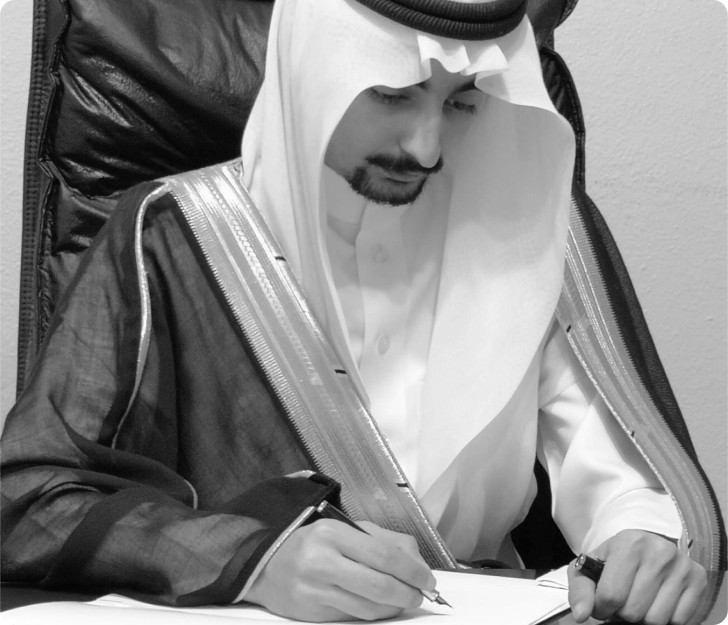




How to Establish a Foreign-Owned Business in Riyadh
Riyadh is rapidly transforming into a global hub for innovation and commerce. As the capital city of the Kingdom of Saudi Arabia, it sits at the heart of Vision 2030, an ambitious economic blueprint designed to diversify the economy and reduce oil dependence. For international investors, this presents a unique window of opportunity. The market is opening up, regulations are evolving to favor foreign direct investment, and the appetite for new technologies and services is growing.
However, entering this dynamic market requires more than just capital and a good idea. Understanding the local business landscape and navigating the specific legal requirements is crucial for success. While the government has significantly streamlined the process, strict adherence to protocol is necessary to ensure compliance and avoid costly delays. Khalaf Bandar outlines the essential steps to help foreign entrepreneurs in Riyadh successfully establish their presence.
Initial Planning and Preparation
Before interacting with government portals, you must have a clear strategy. The first critical step is defining your business activity. While Saudi Arabia now allows 100% foreign ownership in most sectors — including technology, logistics, and manufacturing — certain activities remain restricted or require specific approvals. You must verify that your intended operations are eligible for full foreign ownership under current regulations.
Simultaneously, you need to select a unique company name. This name must adhere to Saudi naming conventions and not infringe on existing trademarks. It is often the first impression your business makes in the local market, so choose a name that resonates well culturally while reflecting your brand identity.
Obtaining the MISA License
The cornerstone of establishing a foreign entity in the Kingdom is the Ministry of Investment of Saudi Arabia (MISA) license. Formerly known as SAGIA, MISA is the gateway for foreign investors. The application process involves submitting a comprehensive investment profile. This typically includes:
- A detailed business plan: This should outline your economic contribution to the Kingdom.
- Financial statements: Proof of financial capability is essential.
- Parent company details: If you are establishing a subsidiary, you must provide the Commercial Registration (CR) and financial history of the parent entity.
Securing this license grants you the legal right to invest and operate as a foreign entity within the Kingdom.
Document Attestation
One of the most time-consuming aspects of the setup process is document attestation. Saudi authorities require that all official documents from the parent company — such as the Articles of Association, Certificate of Incorporation, and audited financial statements — be authenticated.
This is a multi-step verification chain. First, documents must be notarized in the country of origin. Next, they must be stamped by the foreign affairs ministry of that country. Finally, they require attestation by the Saudi Embassy in the parent company’s home country. Without this chain of verification, the Ministry of Commerce in Riyadh will not recognize your corporate documents.
Company Registration with the Ministry of Commerce (MoC)
Once you have your MISA license and attested documents, you can proceed to the Ministry of Commerce (MoC). This step allows you to obtain your Commercial Registration (CR).
The CR is effectively your business’s birth certificate in Saudi Arabia. It acts as your primary identification for all legal and commercial activities, allowing you to sign contracts, hire staff, and issue invoices. Operating without a valid CR is illegal and carries severe penalties.
Choosing the Right Company Structure
While there are various legal forms a business can take, the Limited Liability Company (LLC) is the most common structure for foreign-owned businesses in Riyadh.
An LLC offers distinct advantages, primarily the protection of personal assets. In this structure, the liability of shareholders is limited to their capital contribution. This structure is flexible, widely recognized by local banks and government bodies, and suitable for most trading, service, and industrial activities.
Securing Office Space
In the digital age, many entrepreneurs hope to operate virtually. However, to finalize your registration in Saudi Arabia, a physical presence is mandatory. You must secure a physical office space to obtain a municipal license (Baladiya).
This requirement goes beyond just finding a desk. You must obtain a municipal-certified lease contract. This electronic contract proves that your business has a legitimate physical address compliant with local zoning and safety regulations. This address will be linked to your CR and used for all official correspondence.
Opening a Corporate Bank Account
With your CR and office lease in hand, you can approach a Saudi bank to open a corporate account. This is a vital step for depositing your required share capital.
Banks in Saudi Arabia adhere to strict Know Your Customer (KYC) and Anti-Money Laundering (AML) regulations. You will need to present your MISA license, CR, lease agreement, and passport copies of the general manager. A local bank account is essential not just for daily transactions, but also for wage protection compliance and tax payments.
Government Registrations
Your business is not fully operational until it is registered with the relevant tax and social insurance authorities.
- Zakat, Tax, and Customs Authority (ZATCA): You must register for corporate tax and VAT. Proper registration ensures you can issue compliant invoices and avoid fines during audits.
- General Organization for Social Insurance (GOSI): You must register your entity with GOSI to manage social insurance contributions for your employees. This is mandatory for both Saudi nationals and expatriate staff.
Operational Setup and Approvals
The final hurdle involves the Ministry of Labor and Social Development (MOL). To hire staff and issue residency visas (Iqamas) for your foreign employees, you need to open a file with the MOL.
This step integrates your business into the “Nitaqat” system, which monitors Saudization (the employment of Saudi nationals). Compliance with labor laws is strictly enforced, and maintaining the correct Nitaqat rating is necessary to renew licenses and visas.
The Importance of Local Consultants
The path to establishing a business in Riyadh is structured, yet complex. Government portals are often in Arabic, and regulatory nuances can change. Attempting to navigate this alone often leads to rejected applications or procedural errors.
Engaging with local consultants or legal advisors can significantly simplify the complex process. They understand the “unwritten rules” of the bureaucracy, can manage the Arabic-only portals, and ensure you remain compliant with evolving laws. Their expertise mitigates risks and accelerates your time-to-market.
Contact Khalaf Bandar For Business Help in Riyadh
Establishing a foreign-owned business in Riyadh is a strategic move that places your company at the center of the Middle East’s largest economy. By following these steps — from obtaining the MISA license to finalizing labor registrations — you lay a solid foundation for growth. While the administrative requirements are rigorous, the potential rewards of participating in Saudi Arabia’s economic transformation are immense.
For foreign entrepreneurs in Riyadh, the journey is challenging but navigable with the right support. If you are ready to take the next step in your expansion, ensure you have the right guidance to turn your investment goals into reality.
Ready to start your business in Saudi Arabia? Contact Khalaf Bandar | International Advisors PLLC today for expert legal guidance and support in establishing your company.